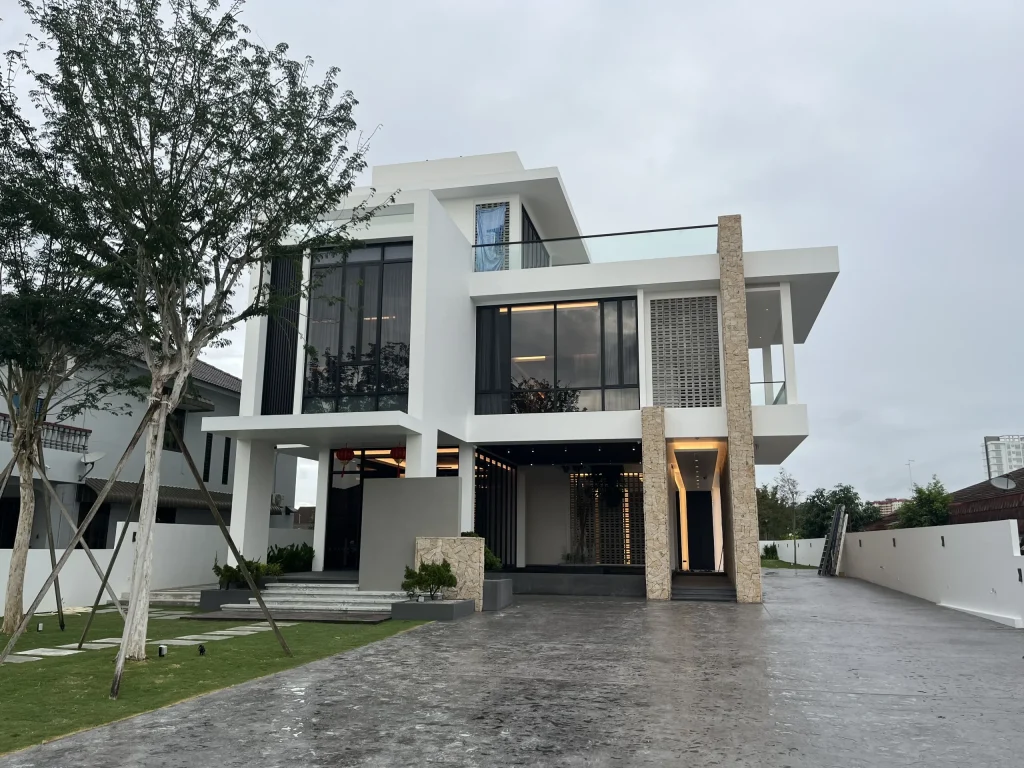
Contemporary three-level residence completed by Madoc in Muar, Johor, with interior lighting visible through the glazing
Residential Projects

Residential Smart Home Automation in Malaysia

Designed Around the Home, Not Around the Technology.

A well-designed smart home should not give you more technology to manage. It should quietly remove repetitive things from your day. Lighting, climate, shading, audio and security can respond around how the home is actually used, while intuitive physical controls remain available whenever someone wants something different. That is how Madoc approaches residential automation.

Explore Residential Projects
Living With Automation

What Should a Smart Home Actually Do for You?

The point of automation is not to make the homeowner operate more technology. It is to reduce repetitive interaction while keeping control available.

Lighting

Lighting That Stops Demanding Attention

You should not need to think about every light every time you enter or leave a room. Lighting can respond differently according to occupancy, daylight, time and how the room is normally used. A hallway at 2am, for example, does not need to behave the same way as it does at 8pm.

Shading

Blinds That Respond to the Sun, Not Just a Timer

Motorised curtains and blinds can respond to conditions such as sun position, glare, weather and room use. A cloudy afternoon does not necessarily need the same shading response as a bright sunny day.

Climate

Climate That Considers How the Room Is Being Used

Air conditioning and ventilation can be coordinated around occupancy, temperature, air quality and the capabilities of the installed system rather than operating as completely separate equipment.

Security & Access

The Home Can Understand When You Leave

Leaving home can affect more than the alarm. Depending on the design, lighting, climate, shading and other systems can respond to the same Away condition.

Audio

Audio That Becomes Part of the Home

Multi-room audio can create atmosphere through music, but where the project requires it, the same audio infrastructure can also support doorbells, announcements and audible notifications as part of the wider building system.

Energy

Energy Information That Can Become Action

Where the relevant energy infrastructure exists, automation can do more than display consumption. Information about the grid, solar generation, battery state or EV charging can be used to influence how the home operates.

Manual Control

Automation Should Reduce Interaction, Not Remove Control

Automatic behaviour does not mean removing physical control. Essential functions should remain intuitive to operate, including for children, guests or family members who do not use the mobile application.

The automation handles repetitive behaviour in the background, while manual controls remain available whenever someone wants something different. This idea sits at the centre of what a truly smart home should feel like.

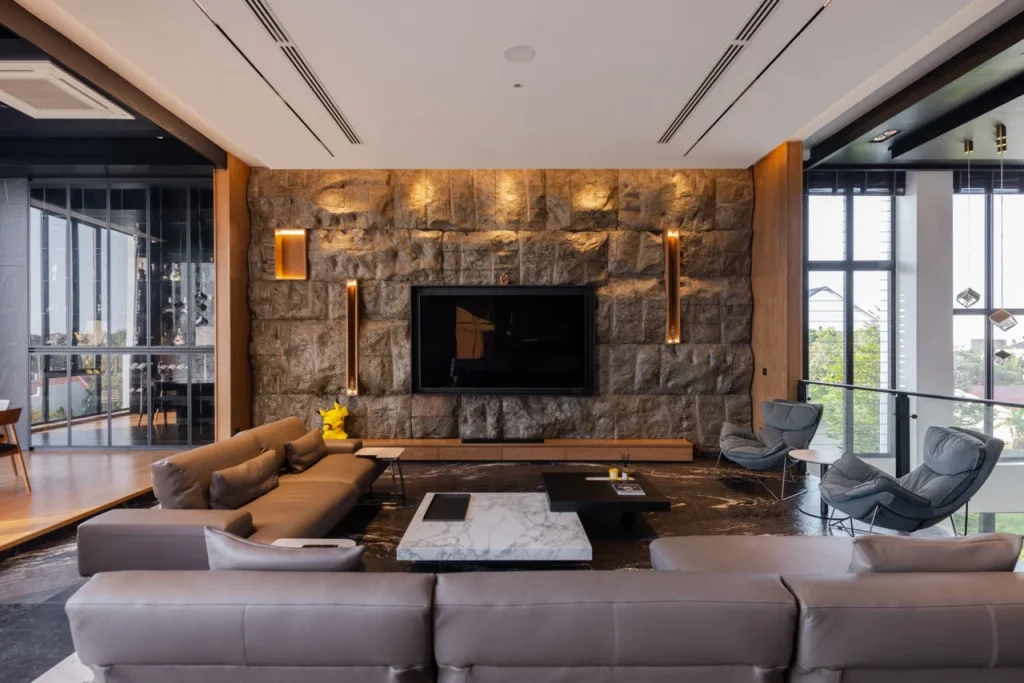
Living area at Madoc's Muar Residence automation project in Johor
Featured Residence

Muar Residence

Tatler AsiaFeatured by Tatler Asia

A contemporary three-level residence where lighting, shading, climate, audio, networking, cameras and security are brought together as one coordinated system. The objective was not simply to give the homeowner one interface. The systems were designed to respond around how the house is occupied and used while keeping essential manual control available when required.

Behind the scenes, the project combines a Loxone Miniserver with KNX switching in the electrical panels, giving Madoc a flexible automation layer while retaining robust distributed control.

Manual override was deliberately retained at the KNX lighting actuators, allowing the affected lighting circuits to be operated directly at the electrical panel during commissioning, servicing or if the main automation layer is unavailable. Automation should make a home more capable, not make it unnecessarily dependent.

Behind the Experience

The Engineering That Makes It Work

For the homeowner, the finished result should feel simple. Behind that simplicity is a considerable amount of coordination. Residential automation works best when it is planned alongside the architecture, interior design, electrical system, lighting, HVAC, shading, security and network infrastructure rather than being added after everything else is finished.

Madoc normally starts by understanding what the home needs to do, then develops the control architecture around the project. Depending on the scope, this can involve coordinating panel locations, lighting circuits, cable routes, HVAC interfaces, curtain requirements, sensors, access control, networking and other systems with the relevant architect, interior designer, contractor or supplier.

The goal is to make sure the required infrastructure exists before ceilings, walls, cabinetry and other finishes make changes difficult. The same approach underpins our integrated building systems approach across every project type.

Madoc automation control panel with labelled modules and structured wiring at Country Heights Damansara
Automation panel from a completed Madoc residence. The finished home should feel simple; the panel is where that simplicity is engineered.
Project Coordination

A Smart Home Depends on More Than the Automation Contractor

Depending on the scope, the automation system can depend on work carried out by electrical contractors, air-conditioning suppliers and installers, curtain and blind contractors, lighting suppliers and designers, cabinetry contractors, security and access-control specialists, network contractors, and often the architect, interior designer and main contractor. Madoc coordinates with these parties and reviews the interfaces between them. We are not contractually managing every trade, and on most projects we are not.

Programming cannot compensate for infrastructure that was never planned.

Curtains & Blinds

A curtain motor may be suitable for automation, but the correct power or control provision still needs to reach the curtain location.

Lighting

A light fitting may be dimmable, but its driver still needs to match the selected control method.

Air Conditioning

An air-conditioning system may support integration, but the required interface needs to be identified before the control strategy is finalised.

Cabinetry

A cabinet may look complete architecturally but still require the correct space, service access or ventilation for the equipment installed inside it.

System Architecture

Different Technologies, One Home

Madoc is not limited to making every part of the house use the same technology. Depending on the project, the system may combine technologies such as Loxone, KNX, DALI-2, HVAC gateways, Modbus, RS485 and IP-based systems. The objective is not to install protocols for the sake of technology. It is to use the appropriate interface for each building system and bring them together under a coherent automation strategy.

Automation & Control
  • Loxone
  • KNX
Lighting
  • DALI-2
  • Relay control
  • Dimming
Climate
  • VRV
  • VRF
  • FCU
  • Manufacturer / gateway interfaces
Connected Building Systems
  • Audio
  • Security
  • Access
  • Energy
  • Networking

The exact architecture depends on the project. The objective is not to use more protocols. It is to use the appropriate interface for each system and make them behave as one building. For a deeper discussion of where wired infrastructure matters and where wireless makes sense, see wired versus wireless smart home infrastructure, and for Loxone specifically, Loxone home and building automation in Malaysia.

Commissioning

The Home Is Refined During Commissioning

Programming is not finished simply because every button operates correctly. Once the system is running, its behaviour needs to be tested against real use.

Depending on the project, tuning can include:

  • Presence timing
  • Lighting levels
  • Night-time behaviour
  • Shading logic
  • Climate operation
  • Scenes
  • Audio behaviour
  • Notifications

A corridor may stay illuminated longer than necessary. A blind may close earlier than the homeowner prefers. A bedroom scene may feel too bright at night. These are examples of the refinement that happens once people are living with the system.

A good automation system should adapt to the household, not force the household to adapt to the programming.

Loxone Touch Pure control at the Muar Residence
Physical control at the Muar Residence. Commissioning tunes what happens automatically; the wall control is what remains when someone wants something different.
Selected Work

Selected Residential Projects

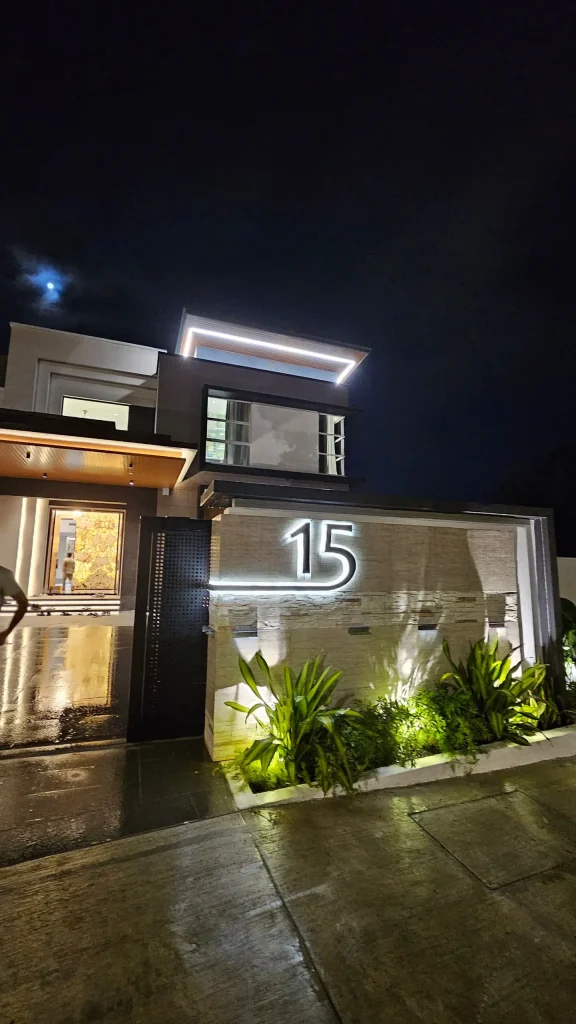
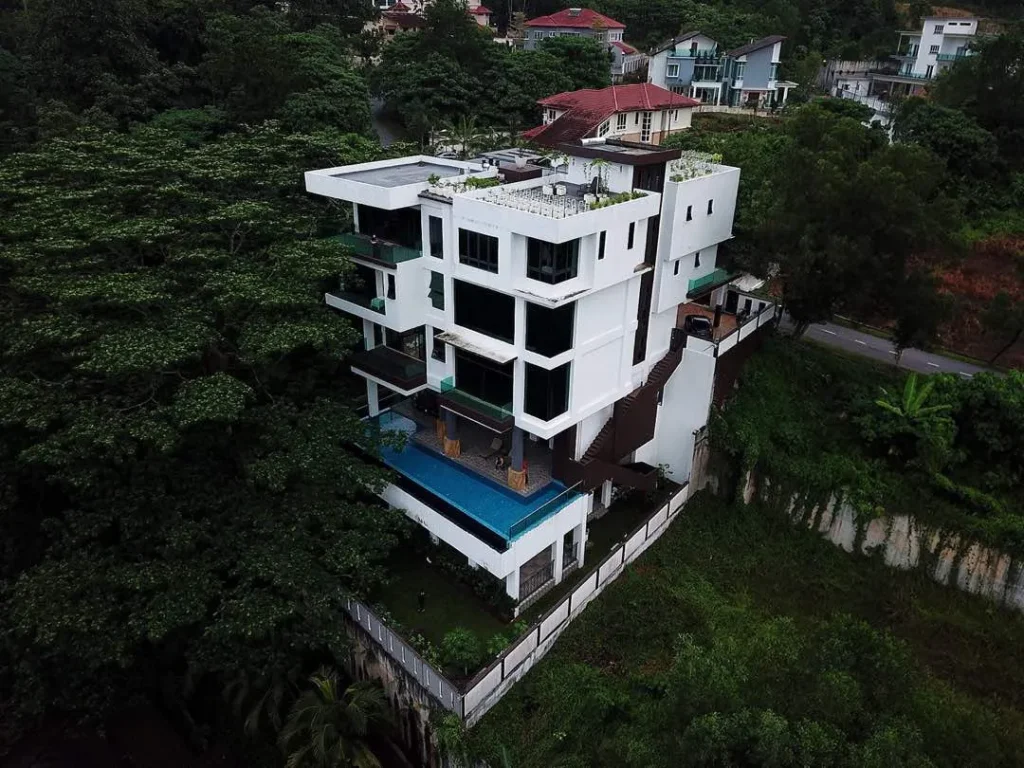
Every project has a different brief. Explore selected Madoc residences to see how lighting, climate, shading, audio, security and other systems have been approached across different properties.

Planning a Smart Home?

Useful Reading Before You Start

Three pieces that answer the questions most homeowners ask before committing to a project.

Start Here

What Is a Truly Smart Home?

Understand the difference between connected devices, remote control and genuine home automation.

Read Article
Plan Your Budget

How Much Does Professional Smart Home Automation Cost?

See Madoc's typical starting budgets, what affects project value and what is excluded.

Read Cost Guide
System Design

Wired or Wireless?

Understand where wired infrastructure matters and where wireless technology makes sense, particularly in larger Malaysian homes.

Read Article
Planning a Project?

Planning a New Home or Major Renovation?

The best time to plan automation is before the electrical, lighting, HVAC, curtain and cabinetry requirements are fixed. Send Madoc your available architectural drawings, project requirements, location and approximate automation budget. We can review the project and determine the appropriate next step.

Madoc's professionally integrated residential projects typically start from around RM80,000, with bungalow projects generally starting from around RM120,000. Read our cost guide for scope, exclusions and Design & Consultation Engagement information.

Discuss Your Project Read the Cost Guide